Why Orthodox Christmas Doesn’t Fall on December 25th
Ever questioned why Orthodox Christians have fun Christmas on a particular day than a quantity of the world? It’s not a random alternative—it boils all the approach down to calendars and centuries-outdated non secular traditions.
In Contrast To the Gregorian calendar utilized by most Western church buildings, many Orthodox church buildings comply with the Julian calendar. That calendar runs 13 days behind inside the 21st century, so December 25 on the Julian calendar lands on January 7 inside the Gregorian calendar.
For 2026, this implies Orthodox Christmas is effectively-identified on January 7. Mark your calendars!

Orthodox Christmas throughout the globe in 2026 by Day | Workplace Holidays
Supply: officeholidays.com
How Different Orthodox Churches Observe Christmas in 2026
Not all Orthodox church buildings are on the an identical web page calendar-clever. The Russian, Serbian, Georgian, and Ethiopian Church Buildings persist with the Julian calendar, so January 7 is their huge day.
In The Meantime, some Orthodox church buildings simply like the Greek Orthodox Church have adopted the Revised Julian calendar, aligning their Christmas with December 25. So, it’s a blended bag relying on the place you look.
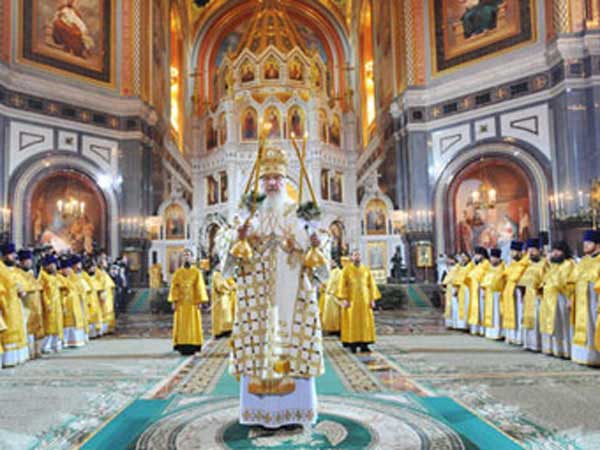
In 2026, in the occasion you’re attending a Russian Orthodox service, count on the festive spirit on January 7, full with midnight liturgies and conventional feasts.
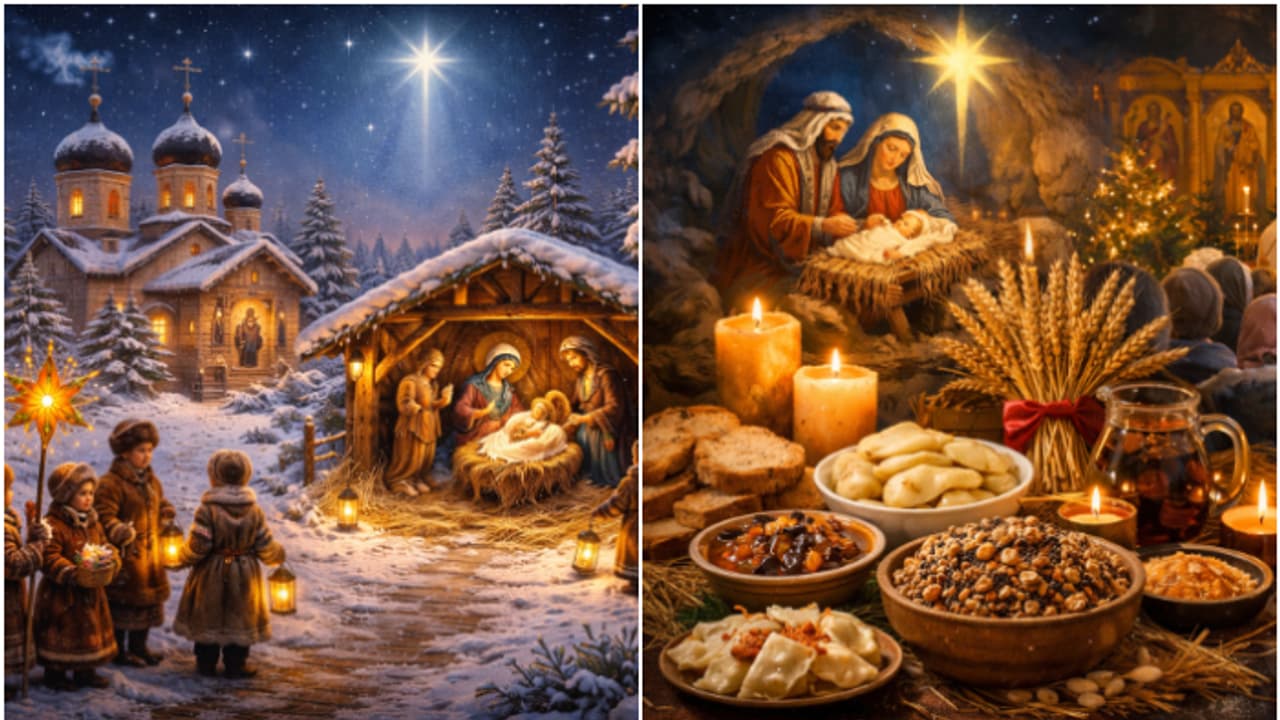
Orthodox Christmas 2026: Historical Past, Significance, Rituals; Why Is It …
Supply: newsable.asianetnews.com
What Happens During Orthodox Christmas Celebrations?
Orthodox Christmas isn’t almost the date—it’s a full vibe crammed with traditions. The celebrations normally kick off on Christmas Eve with a strict quick, which ends with a particular meal referred to as the “Holy Supper.”
On January 7, church companies are central. Individuals go to liturgies that might final for hours, stuffed with stunning chants and incense. Afterward, households collect for a festive feast that includes dishes like roasted lamb, fish, and a particular bread known as “koliva.”
The day is steeped in symbolism, from the twelve dishes representing the apostles to caroling customs that carry communities collectively.
My Personal Experience with Orthodox Christmas in 2026
I spent Orthodox Christmas 2026 in a small Serbian village, and it was unforgettable. The night time earlier than, your full group fasted, and the church was stuffed with individuals holding candles.
After the midnight liturgy, everybody shared a meal inside the city corridor, the place tales, laughter, and conventional songs crammed the air. The sense of togetherness was palpable—like coming into proper into a time capsule of faith and tradition.
This firsthand glimpse confirmed me how deeply Orthodox Christmas is woven into each religious life and neighborhood bonds.
Frequently Asked Questions
Why does Orthodox Christmas fall on January 7 in 2026?
Orthodox Christmas falls on January 7 as a result of many Orthodox church buildings comply with the Julian calendar, which is at the moment 13 days behind the Gregorian calendar. December 25 on the Julian calendar corresponds to January 7 on the Gregorian calendar in 2026.
Do all Orthodox Christians celebrate Christmas on the same day?
No. Some Orthodox church buildings, simply like the Greek Orthodox Church, use the Revised Julian calendar, celebrating Christmas on December 25, whereas others comply with the conventional Julian calendar and have a good time on January 7.
Is Orthodox Christmas a public holiday in 2026?
In international locations with vital Orthodox populations, resembling Russia, Serbia, and Ethiopia, January 7 will probably be a public vacation. Nevertheless, this will range counting on the nation and native legal guidelines.
📌 Quick Summary: Orthodox Christmas 2026 is celebrated on January 7 by churches following the Julian calendar. The date difference arises from calendar discrepancies, with rich traditions involving fasting, liturgies, and communal feasts making this celebration uniquely profound.